

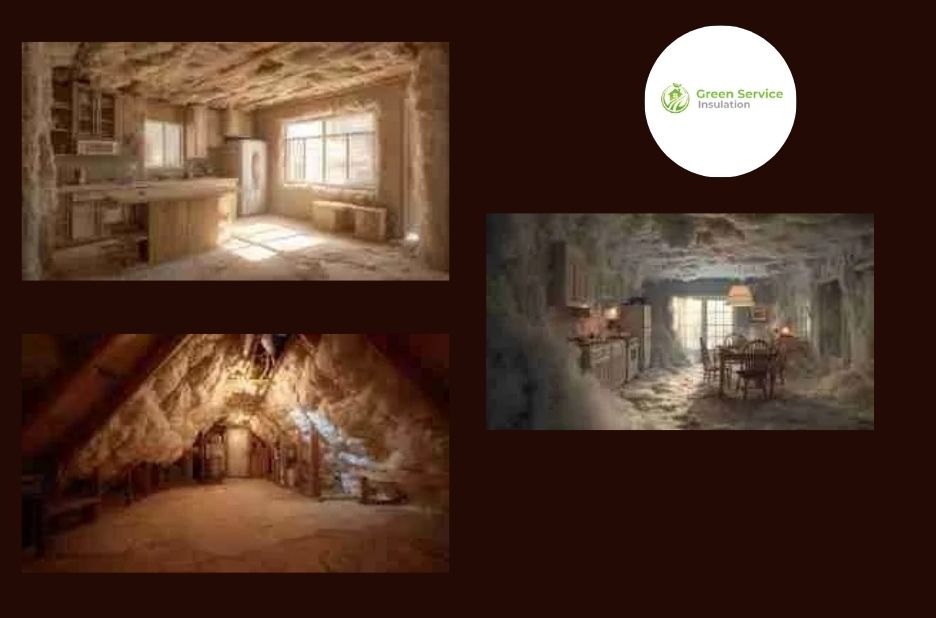
Overview of installation
Blown In Cellulose Insulation provides a dense, even layer in walls and ceilings, helping to improve energy efficiency and reduce drafts. The material is composed mainly of recycled paper fibers treated with fire retardants, and it is blown into cavities using specialized equipment. Proper installation involves careful measuring of attic spaces and Blown In Cellulose Insulation wall gaps, ensuring the blower reaches tight corners and difficult-to-reach joists. This method offers quick coverage with minimal interruptions to living spaces, and it adapts well to irregular attic shapes. A well-executed install minimizes air leaks and improves overall comfort in the home.
How it performs under pressure
When installed correctly, Blown In Cellulose Insulation fills small voids that would otherwise trap air and cause heat loss. Its loose-fill texture allows it to settle in a way that reduces cold spots around outlets and around window frames. The product can also slow the transfer of heat through walls, helping maintain indoor temperatures during seasonal shifts. Homeowners often notice quieter rooms due to reduced sound transmission in combination with the draft-blocking properties of the material.
Choosing the right installer
Selecting a qualified contractor is essential to maximize the benefits of Blown In Cellulose Insulation. Look for experience with blown-in applications, proper equipment, and up-to-date safety practices. Ask about installation methods, such as how deeply the material is dense-packed in attic spaces or walls. Request references and follow up on any concerns about moisture management and potential settling over time. A professional team can tailor the approach to your home’s unique layout and climate, delivering a balanced and effective insulation solution.
Maintenance and long term value
Long-term performance hinges on a quality initial install and regular checks for moisture or pest activity. Blown In Cellulose Insulation resists mold growth when kept dry and free of leaks, and some products include repellents to deter insects. Periodic inspections of attic access and exterior walls help ensure the insulating layer remains evenly distributed. If settling occurs, a professional recheck can assess whether topping up is necessary to maintain the desired R-value and energy-saving benefits.
Installation realities and safety tips
Professional crews follow strict safety protocols to protect occupants during installation, including sealing work areas and ensuring proper ventilation. Homeowners can prepare by clearing access paths and providing space for equipment to maneuver, while staying out of the work zone. After installation, it’s wise to monitor for any signs of moisture intrusion or unusual attic temperature differences. Keeping humidity in check and maintaining a balanced ventilation strategy will help extend the life and effectiveness of the insulation materials.
Conclusion
Blown In Cellulose Insulation delivers reliable warmth, improved comfort, and energy savings when installed by trained professionals. The method fills cavities effectively and adapts to many home layouts, contributing to a tighter building envelope. Green Service Insulation