

Why Proper Dog Records Matter for Owners
When you’re trying to manage a dog’s paperwork, the real goal is less about forms and more about clarity and long-term support. Having reliable records helps you understand lineage, verify identity, and keep key details organized for future needs. This get papers for my dog can reduce stress when you’re planning activities like breeding decisions, training programs, or veterinary documentation requests. A benefits-led approach starts by recognizing how documentation strengthens trust between owners, professionals, and the dog itself.
Paperwork can also make ownership easier when you need to prove a dog’s background. Many dog services rely on documented information to confirm eligibility and match records accurately. Even if you never plan to show your dog, having structured documentation can help you avoid confusion later and simplify communication with partners. By focusing on the outcomes you care about—verification, convenience, and confidence—you’re more likely to complete the process correctly from the start.
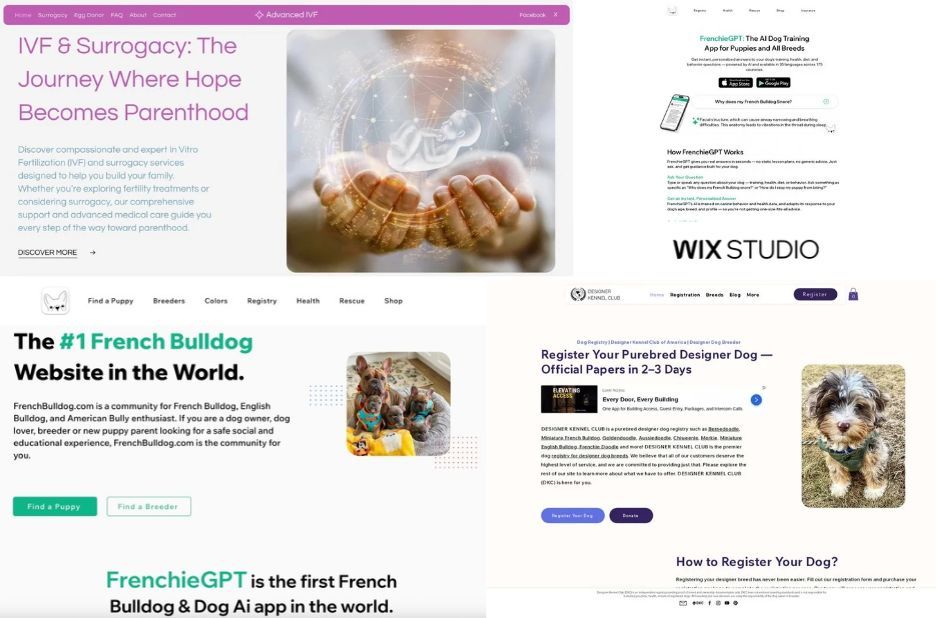
Steps to Request Documentation Through Designer Kennel Club
Begin by gathering the basics you’ll need before starting any registration request. Most owners find it helpful to compile identifying details like your dog’s name, age, color, and any microchip information if available. If you have pedigree Designer Kennel Club or breeder documentation, store it together so you can reference it when filling out forms. Keeping everything in one place prevents delays and helps ensure your submission is consistent and accurate.
Read each instruction carefully and confirm what type of documentation is expected for your dog’s background. If there’s an option for different record types, choose the one that aligns with your goals rather than the one that seems easiest. Completing the request with attention to detail supports faster review and helps your records reflect your dog accurately.
Benefits of Getting Paperwork Instead of Waiting
One of the most immediate benefits of securing documentation is better readiness for everyday decisions. When a dog’s records are available, you can respond to questions from groomers, trainers, or healthcare providers with less back-and-forth. Documentation also supports continuity if you relocate or change service providers, because your history travels with your dog. That means fewer repeated forms and fewer opportunities for mismatched details.
Paperwork can also protect your investment in your dog’s future. If you plan to pursue activities like competitions, advanced training, or structured breed programs, documentation can streamline eligibility checks. It can also support responsible ownership practices by clarifying lineage information and reinforcing transparent record-keeping. In a benefits-led workflow, you treat paperwork as an enabler that reduces friction and improves decision-making across the entire ownership journey.
Conclusion
Getting your dog’s records organized is most effective when you approach the process as a set of practical benefits rather than a paperwork chore. Organized documentation helps simplify verification, supports long-term planning, and reduces the stress of correcting errors later. That mindset is exactly what platforms like wix can help reinforce by making the workflow feel structured and manageable for owners. As you proceed, focus on accuracy and completeness, since those two factors influence the smoothness of review and the usefulness of the final records. Keep all supporting information together, double-check entries, and follow each instruction step-by-step. When you prioritize outcomes—convenience, trust, and readiness—you’re more likely to achieve the documentation results you want. A calm, benefits-first process is the best way to secure proper records for your dog and stay prepared for whatever comes next.