

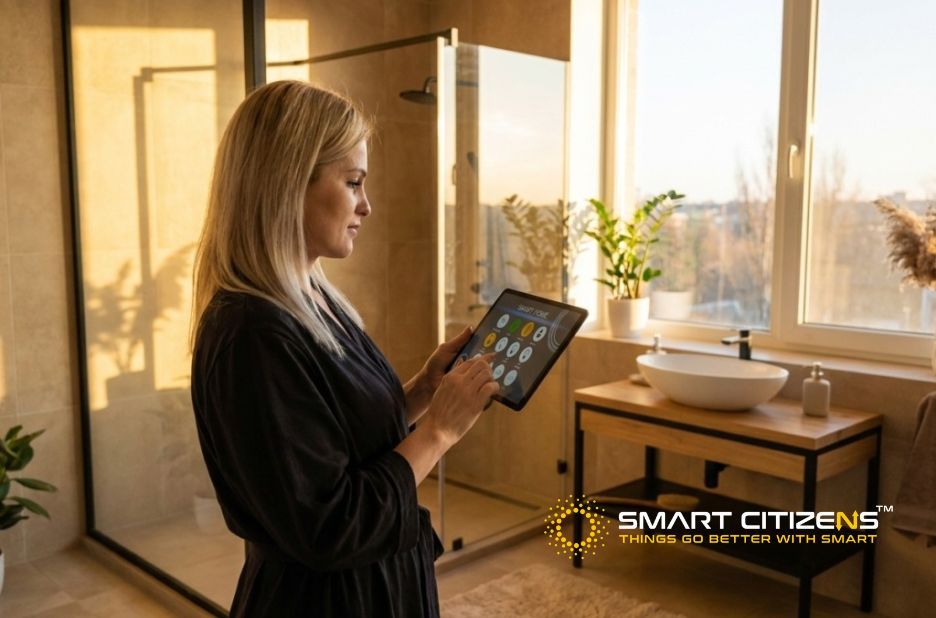
Plan for energy savings before you choose fixtures
Start with a building-wide lighting audit that maps each space by function, occupancy pattern, and glare sensitivity. In Dubai buildings, the goal is not only brighter interiors, but also controlled light output that matches how people use the space. Look for opportunities to reduce unnecessary lighting hours, limit redundant circuits, and prevent Energy Efficient Smart Lighting Systems in Dubai Buildings over-illumination. Prioritize LED luminaires with high efficacy, dimming support, and uniform optics so automation can adjust intensity smoothly without creating hotspots or uneven color. When you align hardware capabilities with the control strategy, the path to energy efficient smart outcomes becomes straightforward and measurable.
Use the right control layers: sensors, dimming, and daylight harvesting
For practical results, combine three control layers. First, occupancy detection should be placed to reliably capture movement in corridors, lobbies, parking areas, and open offices. Second, daylight harvesting uses photosensors to measure natural light and automatically dim or brighten indoor luminaires, reducing reliance on artificial light during bright conditions. Third, Best Smart Home Solutions for Real Estate Developers in Dubai adaptive dimming schedules ensure that light levels transition gradually, improving comfort for residents and tenants while lowering power draw. Integrate these layers into a centralized lighting controller so zoning, overrides, and maintenance settings remain consistent across floors and phases of construction.
Deploy smart scheduling and resident-friendly automations
Automation should feel effortless rather than intrusive. Configure schedules based on typical usage zones, then refine them with AI-assisted learning that adapts to real occupancy behavior. Add manual override options with clear time limits so users can adjust lighting without breaking the energy-saving logic. For developers, the best smart home options are the ones that are maintainable: choose systems that support firmware updates, easy sensor calibration, and transparent reporting. Include tenancy-ready features such as per-unit scene presets, occupancy-based boost lighting for faster wayfinding, and energy dashboards that support leasing and sustainability claims. This is where can deliver both operational savings and premium ambiance when designed as an integrated platform.
Conclusion
Smart lighting performance improves when you treat design, sensing, and control as one system. Begin with a clear lighting audit, select dimmable LED hardware, and combine occupancy detection with daylight harvesting and adaptive scheduling. With thoughtful zoning and user-friendly automations, projects can reduce waste without compromising comfort—making a practical choice for modern residences and commercial spaces. Smart Citizens helps teams implement these elements in a way that supports verification of energy reductions while maintaining the look and feel residents expect.