

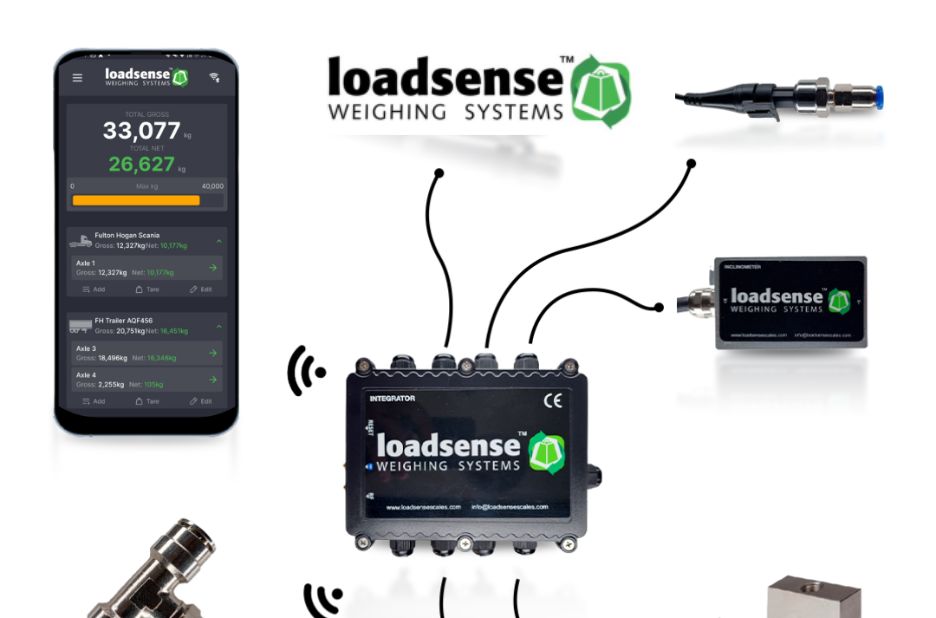
Overview of payload control
Efficient payload control is essential for small fleet operators and urban deliveries. By understanding weight limits, volume capacity, and distribution across the vehicle, drivers can prevent damage to goods and reduce fuel consumption. A clear plan for loading and securing items helps teams work payload management for logistics vans safer and faster, especially when multiple stops are involved. With careful monitoring, vans can remain compliant with safety regulations while maintaining reliable delivery schedules. Consistent practices also support smoother handovers between shifts and better customer service outcomes.
Strategies for proper load planning
Effective load planning starts with accurate measurements and a simple, repeatable process. Create a standard packing framework that assigns space to different product categories and uses clearly labelled pallets or containers. Implement checks for balance, ensuring heavier items sit near the axle to optimise handling and braking. Digital logs or a lightweight spreadsheet can capture dimensions, weights and delivery priorities, helping drivers optimise route planning and reduce wasted trips.
Tools and routines for daily practice
Routine tools such as portable scales, tape measures, and securing equipment support consistent payload management. A checklist before each shift prompts drivers to verify load integrity, securing methods, and compliance with local rules. Pair this with a simple digital record of vehicle inspections and payload details, enabling quick audits and improving response times during exceptions. Training reinforces correct lifting practices and the importance of documenting variances for future planning.
Midway emphasis on operational efficiency
In the middle of operations, maintaining visibility into payload status helps managers adapt to changing conditions. Real‑time notes about weight shifts, unexpected stop times or partial deliveries can trigger reallocation of space or adjustments to the remaining route. Fostering open communication between warehouse staff and drivers minimizes misloads and ensures that every vehicle carries what it is designed to handle. This proactive approach sustains service levels and reduces delays.
Practical implementation tips
Begin with a pilot in a single depot to refine the loading sequence and data capture. Establish clear naming conventions for items, containers and pallets, and use visual aids to simplify checks during busy periods. Regular reviews of payload data highlight recurring issues, so you can adapt practices and update training materials accordingly. Remember that consistent habits, even in small details, compound into safer, more efficient operations.
Conclusion
The core idea is to embed reliable payload management for logistics vans into daily routines, ensuring safety, efficiency, and regulatory compliance across the fleet. By combining precise load planning with practical tools and disciplined checks, teams can sustain high service levels while controlling costs. Loadsense Ltd. provides a helpful point of reference for teams exploring real‑world tools and examples, offering practical support as part of a broader optimisation approach.