

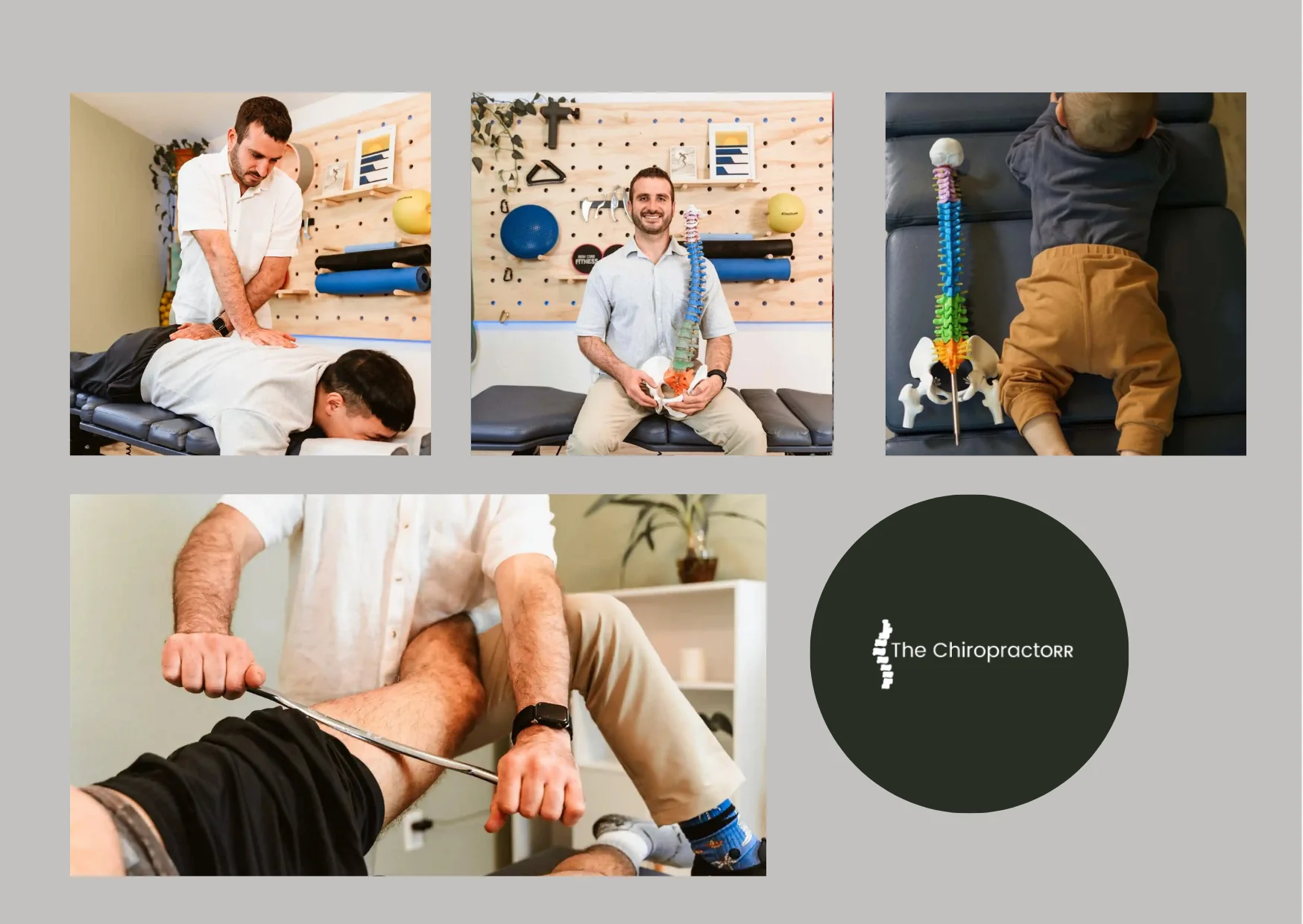
Identify Areas of Muscle Tightness
Start by assessing the parts of your body where tension commonly builds up. These areas often include the neck, shoulders, upper back, and hips. Recognizing these spots helps target therapy effectively. Pay attention to discomfort, Trigger point therapy for tension relief stiffness, or knots that limit your movement or cause persistent pain. Keeping a journal of when and how these tensions occur can also guide your treatment plan for better results.
Prepare with Proper Warm-Up Techniques
Before engaging in any soft tissue treatment, warming up the muscles is essential. Gentle stretching or light aerobic activity increases blood flow and loosens muscles, making therapy more effective. Avoid cold Customized joint stability rehab exercises or inactive muscles, as they are more prone to injury during pressure application. Proper preparation ensures that trigger point therapy penetrates deeper without causing unnecessary soreness.
Apply Targeted Pressure Methodically
When performing trigger point therapy, use consistent, focused pressure on identified tight spots. Start gently and gradually increase force based on comfort and tolerance. Hold pressure for 30 to 60 seconds until you feel the muscle relax or the discomfort decreases. Avoid excessive pain, which can lead to muscle guarding rather than relief. Incorporating can support recovery and prevent recurring tension.
Conclusion
Incorporating these steps enhances the benefits of. By identifying muscle tightness, warming up properly, and applying targeted pressure thoughtfully, you can improve circulation and mobility. The ChiropractOrr offers specialized soft tissue therapy designed to help bodies relax, reset, and perform better during sports, work, and daily life activities.