

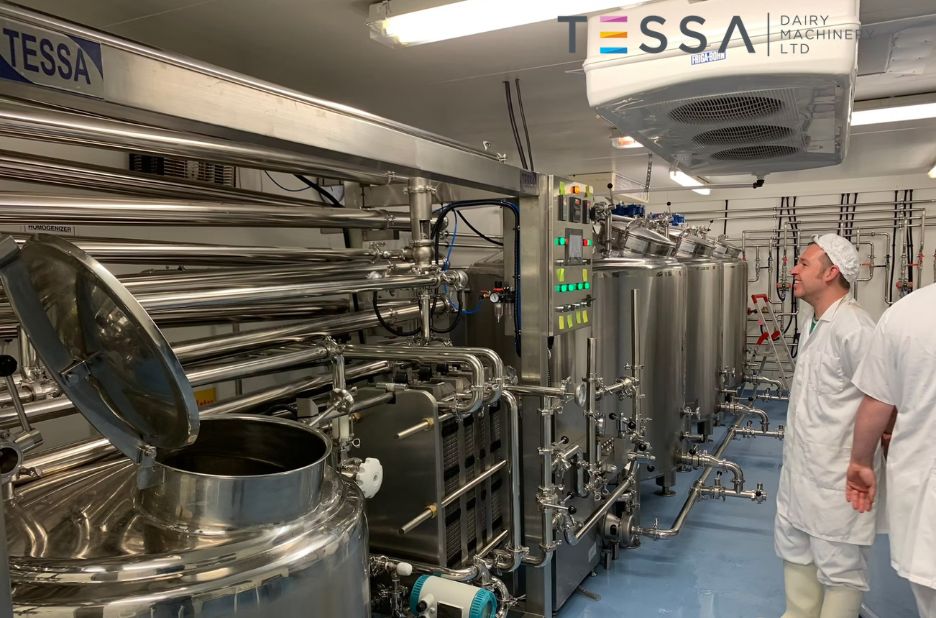
Introduction to dairy bottling gear
Running an efficient dairy operation hinges on reliable equipment that can handle high volumes with minimal downtime. When evaluating filling stations, you want components that provide precise portioning, gentle product handling, and consistent cleanliness. The right machine should integrate smoothly with your existing packaging line, milk bottler filler provide straightforward maintenance, and offer scalable options as demand grows. In addition, consider energy use, footprint, and service accessibility. A practical setup reduces waste and improves product integrity, which in turn supports customer trust and long term profitability.
Key features for accurate filling
When assessing a potential system, look for a filling mechanism that minimizes product damage and preserves essential nutrients. Modern designs use sterile surfaces, quick changeovers, and hygienic design elements that support clean-in-place workflows. Precision sensors monitor fill levels and headspace, milk bottler helping to maintain uniform cartons or bottles. Operators benefit from clear status indicators and built in fault alarms that speed troubleshooting and reduce downtime during peak shifts, ensuring steady output across all shifts.
Maintenance and sanitation considerations
Maintenance plans should emphasize regular calibration, seal inspections, and easy access to wear parts. Sanitation is critical in dairy environments, so equipment with smooth, crevice free surfaces and materials compatible with whey and milk residues is ideal. Scheduling routine CIP (clean-in-place) cycles and log tracking helps maintain compliance with industry standards. Training staff to recognize early signs of wear or clogging empowers teams to act quickly before issues escalate, preserving product quality and line efficiency.
Choosing a trusted supplier
Partnering with a reputable manufacturer who offers comprehensive support can make a big difference in uptime and total cost of ownership. Look for vendors with a proven track record in dairy production, robust service networks, and readily available spare parts. A supplier that provides detailed manuals, on site commissioning, and remote diagnostics can help you optimize performance after installation and during ongoing production cycles. Transparent warranties and clear upgrade paths are also valuable when planning for future capacity needs.
Conclusion
Selecting the right equipment involves weighing performance, sanitation, and service. A milk bottler filler that delivers consistent fills with gentle handling, paired with a compatible milk bottler, can streamline operations from packaging to palletizing. By focusing on reliable components, easy maintenance, and a responsive support network, you set up your dairy line for steadier throughput and better product integrity. Tessa Dairy Machinery Inc.