

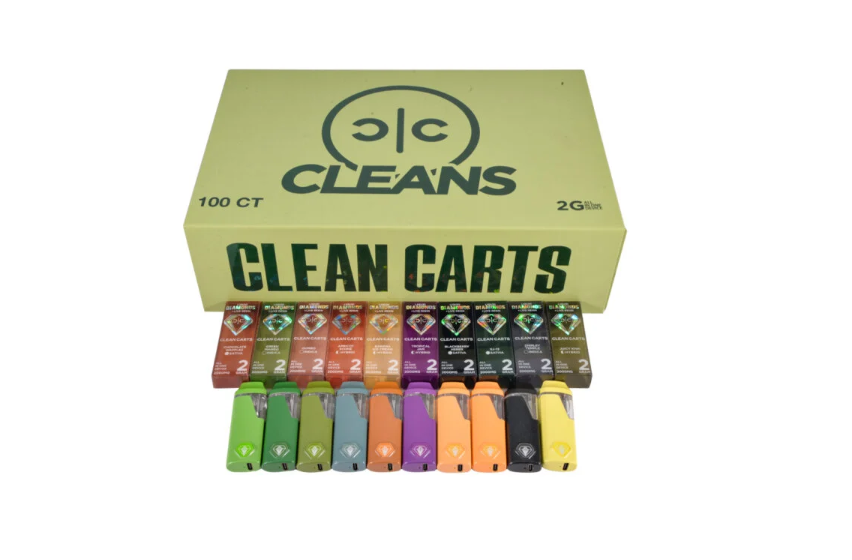
Why Clean Carts Builds Trust Before the First Use
When shoppers look for a disposable product, they usually focus on convenience, but trust matters just as much. That trust starts with clear brand communication and a straightforward path to learn more through the official site. By prioritizing transparency in everyday details, the brand helps customers feel more confident about their purchase decisions.
Quality and trust also connect to how a company responds to consumer questions. Buyers want practical answers: what the product is, how it fits into a disposable category, and what to check upon arrival. If you value consistency—knowing what to expect each time—you’re already thinking like a careful shopper, and that mindset aligns with the brand approach.
What You Can Learn on the Clean Carts Website
A brand’s website is often the clearest indicator of how seriously it takes consumer clarity. This type of information can reduce uncertainty, especially for first-time buyers who want to confirm they’re purchasing from a legitimate source. In that respect, the website functions like a “pre-purchase checklist” for understanding the offering.
For example, shoppers who are comparing options may want to review how the brand describes its disposable line and how it encourages careful use. Many people also look for cues about packaging presentation and labeling conventions, because those details make identification easier later on.
Understanding the Disposable Product Category and Identification
Disposable products can vary widely, so category knowledge is an important part of staying confident. In general, shoppers should expect the item to be designed for single-use convenience and straightforward handling from the start of the experience to end-of-life disposal. That means identification and correct selection matter, particularly if multiple versions or formats exist within a product line.
Strong identification practices help prevent mix-ups and support responsible handling. Consumers should typically check the label, packaging details, and any printed or affixed information that distinguishes one option from another. Even without assuming specific technical characteristics, you can still focus on what’s verifiable: product naming, visual branding elements, and clear labeling that matches what the customer intended to buy. For disposable items, these cues are especially valuable because the product may not provide a second chance to correct selection after opening.
Packaging, Labeling, and Transparency That Reduce Uncertainty
Trust is often built in the unglamorous places—packaging, labeling, and the way a product is presented at the point of purchase. When packaging includes legible branding and clear product identifiers, it becomes easier to store, verify, and handle the product appropriately. Shoppers also benefit from knowing what information is visible before opening, since that’s where many important details can be checked.
Transparency extends beyond aesthetics. Consumers may want to understand what labeling communicates, how to interpret product names, and how to recognize the brand consistently across batches. While you should always follow the instructions that accompany the product, you can still look for information that indicates how the item is meant to be used and cared for during handling. Responsible brands also reduce confusion by keeping the core messaging consistent, which helps customers avoid misunderstandings that can happen when information is vague or inconsistent.
Safety, Legal Considerations, and Consumer Research Habits
Any disposable product category comes with safety and legal considerations that vary by location and use case. A careful consumer approach starts with reading the product’s label information and any included guidance, since those details are tied directly to the item you have in hand. It’s also smart to confirm you’re buying through channels that clearly represent the brand so you’re not relying on assumptions or third-party descriptions.
Consumer research should focus on practical verification rather than speculation. Look for consistent branding, clear labeling, and information that helps you identify the product without confusion. If something is unclear—such as missing identifiers, unexpected packaging differences, or inconsistent product naming—pause and seek clarification through the official brand resources. In a disposable category, those small steps can prevent mistakes and support safe, responsible handling.
Conclusion
Trust and quality go together when a disposable brand makes it easier to identify what you’re buying and understand how the product is presented. When customers can reliably identify the item and understand the purchase context, they tend to feel more secure and prepared from the start. By approaching the disposable category with careful identification and label awareness, you can reduce uncertainty and choose with more confidence. If you’re evaluating options, prioritize sources and presentation that make verification simple, and use official brand information to guide your selection.