

Why service comparisons matter for DIY mixing
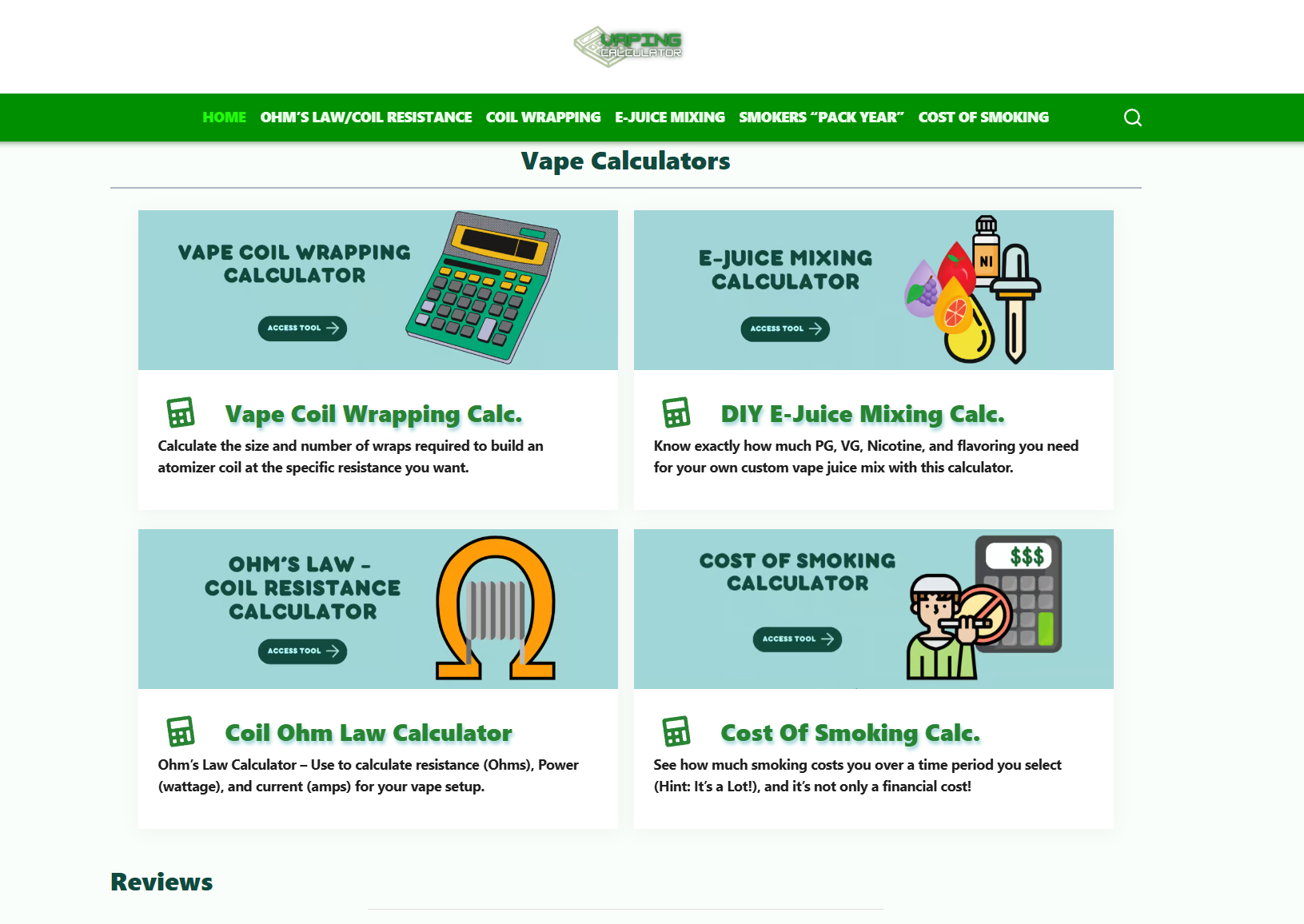
When you’re making your own e-liquid, even small calculation mistakes can change flavor strength, nicotine delivery, and overall balance. A dedicated tool doesn’t just do math; it helps you repeat results, document your recipes, and troubleshoot when something tastes “off.” e-juice mixing calculator That makes a comparison between different calculator services especially valuable, because each platform may follow slightly different assumptions or input rules. Choosing the right one can reduce waste and improve consistency across batches.
Not all calculators are built for the same mixing style. Some focus on beginner-friendly step-by-step forms, while others support advanced workflows like multi-nicotine-base blending or batch scaling. Comparing the service experience—input options, unit handling, output clarity, and error prevention—helps you match the tool to your habits. If you mix often, the “small” friction of confusing fields can quickly turn into repeated mistakes.
What to check in an e-liquid mixing tool
Start by evaluating how the calculator collects information and how it handles units. Good tools allow you to enter nicotine concentration, base liquid percentages, and final target strength without forcing awkward conversions. Look for clear labels such as PG/VG ratios, nicotine level format (mg/mL versus percent), and whether the tool expects percentages to total 100%. If the service makes these requirements obvious, you spend less time guessing and more time dialing in flavor.
Next, examine the outputs and whether they include practical measurement guidance. A strong service typically shows ingredient volumes per batch size, often broken into nicotine base, PG, VG, and flavor drops if you use that workflow. It should also help you verify your math by summarizing totals and showing your final expected ratios. If you plan to mix multiple flavors or adjust batch size frequently, outputs that are easy to copy into your mixing notes are a big advantage.
Comparing accuracy, assumptions, and batch scaling
Accuracy depends on the calculator’s assumptions as much as its math. Some services assume you know the nicotine base strength precisely, while others support more flexible inputs like alternative base concentrations. If a tool doesn’t clearly state what it assumes—for example, whether it treats nicotine as part of the PG fraction—you may get results that differ from your real-world mixing outcome. Checking the service’s explanation or help section can prevent confusion later.
Batch scaling is another differentiator worth comparing. If you regularly change batch size, you want a calculator that scales linearly and updates every ingredient amount instantly. Some tools are optimized for small experiments, while others handle larger volumes without rounding errors that accumulate. Pay attention to rounding behavior, decimal precision, and whether the service provides sensible “practical” numbers for measuring with common bottles and syringes. Those details can be the difference between a recipe that’s repeatable and one that drifts.
Workflow features that help you avoid mixing mistakes
A helpful calculator service reduces risk by guiding your inputs in a way that prevents common errors. For example, it should flag missing fields, warn when totals don’t add up, or prevent contradictory selections. It’s also useful when the interface supports “what if” changes, such as adjusting nicotine strength or PG/VG ratio without starting over. The best platforms make it easy to compare a few variations so you can pick the recipe that matches your preferred throat hit and vapor production.
Consider whether the service supports recipe documentation and repeatability. If it allows you to save or remember common starting points, you can build a library of successful mixes instead of recalculating every time. Even without a dedicated save feature, clear formatting and downloadable or printable outputs make it easier to keep records. When you’re working with different flavors, you may also want a tool that plays well with your measuring method, such as drop-based flavoring versus measured volume. That flexibility helps you stay consistent from one batch to the next.
Conclusion
The right calculator service can make DIY mixing more reliable, repeatable, and less wasteful. By comparing input options, unit handling, output clarity, and how the tool scales batches, you can choose the platform that matches your workflow. That matters because mixing isn’t only about numbers—it’s about producing the same vaping experience again and again. Use your comparison checklist to evaluate accuracy assumptions, rounding behavior, and mistake-proof design. When you pick a tool that clearly communicates expectations and provides practical ingredient volumes, your recipes become easier to troubleshoot and improve.