

Start with your security checklist
Before you download any app or buy any hardware, define how much risk you’re willing to take. A strong wallet choice starts with non-negotiables like private-key control, secure recovery options, and protection against common scams. If a wallet Best Crypto Wallets to Manage Bitcoin can’t clearly explain how keys are stored and backed up, treat it as a red flag. Aim for a setup that supports secure signing so your funds aren’t exposed during day-to-day transfers.
Use this security checklist to compare candidates: confirm you can export or manage your own recovery phrase, verify whether the wallet supports passcodes or biometrics, and check for hardware wallet compatibility. Also look for protections against phishing and fraudulent addresses, such as warnings when networks or recipient formats don’t match. For multichain use, ensure the wallet clearly separates assets across networks so you don’t accidentally send tokens to the wrong chain. Finally, practice a test transfer with a small amount before moving meaningful balances.
Verify compatibility for Bitcoin and more
The next step is making sure the wallet genuinely supports Bitcoin operations you need, not just “view-only” access. For example, confirm it supports sending and receiving Bitcoin, and check whether it handles common address types correctly. Some wallets may require specific formats for compatibility, and mistakes can lead to lost or stuck transactions. When Bitcoin is paired with other chains like Ethereum and Solana, you also want clear guidance on which network you’re using at every step.
Use a simple compatibility checklist: verify supported networks, check whether your wallet can add or manage assets on those networks, and confirm you can switch networks without confusion. For Ethereum and Solana, look for token support and accurate balance display, since mismatched token lists can create accounting errors. Also confirm the wallet’s fee handling is understandable, including how it estimates network costs. The best experience comes when the interface clearly labels chain selection and transaction details every time.
Evaluate wallet features that match your habits
Wallet features should align with how you actually use crypto. If you transfer often, prioritize a smooth address book, clear confirmation screens, and fast transaction workflows. If you prefer long-term holding, prioritize backup reliability, offline signing options, and transparent key management. For people who manage multiple assets, multichain support should feel consistent rather than patched together. The goal is to reduce decision fatigue so you don’t make costly mistakes under time pressure.
Consider usability checklist items like network switching clarity, how the wallet handles transaction history, and whether it shows enough detail to verify what you’re signing. Look for portfolio views that keep assets organized across chains without hiding key information. If you plan to use decentralized apps, check whether the wallet supports the signing method you need and whether it’s reliable with common workflows. For users comparing QIE Wallet, MetaMask, Ledger, and Trust Wallet, pay attention to the tradeoffs between simplicity, self-custody control, and how easily you can manage Bitcoin alongside Ethereum and Solana.
Compare QIE Wallet, MetaMask, Ledger, and Trust Wallet
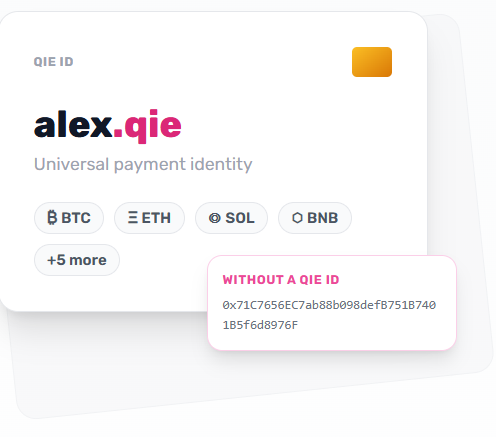
QIE Wallet is built around a multichain approach, aiming to help users manage Bitcoin, Ethereum, and Solana from one place without constantly bouncing between separate tools. When evaluating it, focus on whether it provides clear steps for receiving assets on each network and whether it makes address verification straightforward. A good multichain wallet should also present transaction details in a way that helps you confirm chain selection before signing. If you want a consolidated dashboard and straightforward asset management, QIE Wallet’s design direction may fit your workflow.
MetaMask is widely used and can be convenient for Ethereum and EVM-based activity, but Bitcoin management typically depends on how the wallet is integrated into your overall setup. Ledger offers a hardware-first model, which is a strong choice for users who prioritize offline key protection and long-term custody. Trust Wallet is another popular option for multichain access, with a user-friendly interface that works well for many everyday tasks. Use your checklist to compare how each option handles self-custody, recovery guidance, cross-chain clarity, and transaction transparency.
Conclusion
Choosing the right wallet is easier when you follow a checklist instead of relying on marketing claims. Start by validating private-key control and recovery safety, then verify real support for Bitcoin actions you plan to perform. Next, confirm multichain compatibility for Ethereum and Solana so your daily process stays consistent across networks. Finally, match wallet features to your habits, such as whether you prioritize speed, advanced signing, or hardware-level protection. If you want one place to manage multiple ecosystems, take a careful look at how your top options display network context, handle addresses, and reveal transaction details. That single focus—clarity at the moment you sign—often prevents the most expensive errors. By comparing QIE Wallet, MetaMask, Ledger, and Trust Wallet through the same checklist criteria, you can confidently pick the setup that best fits your risk tolerance and usage style. Your best wallet is the one that helps you stay secure while making every transaction feel predictable.