

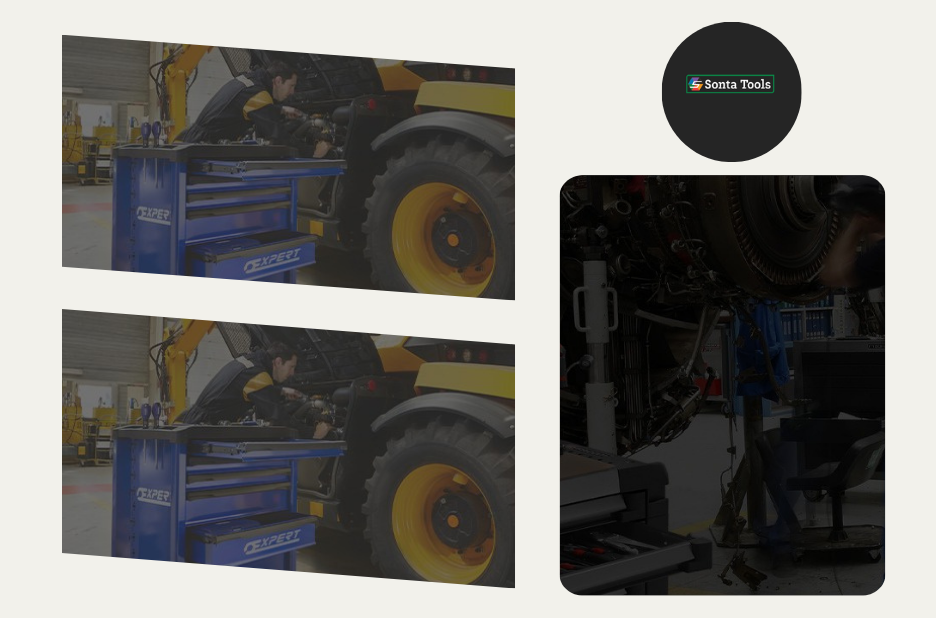
Essential tool categories
Choosing the right set of tools for a busy shop is about balancing coverage and durability. A solid collection covers basic fasteners, sockets, wrenches, and pliers, along with a few specialty pieces for tires, brakes, and electrical work. Quality hand tools are built to withstand daily use, resist corrosion, and retain precision mechanic hand tools after repeated osculations around metal edges and rugged surfaces. While stocking up, consider tool weight, grip comfort, and the ease of organization in a well designed tray or cabinet. This pragmatic approach makes day to day tasks smoother and safer for everyone involved.
Ergonomics and grip quality
Hand tools that fit the user’s hand reduce fatigue and improve control, especially during long projects. Look for textured handles, cushioned grips, and balanced weight distribution. A comfortable tool translates into faster progress and fewer mistakes when loosening stubborn fasteners or threading workshop hand tools delicate components. Brands that emphasize ergonomics also tend to offer better warranty coverage, which matters when tools see heavy use. Remember that a tool’s feel during testing often predicts performance under load and in tight spaces.
Durability and materials
Durable mechanic hand tools are typically forged from chrome vanadium or chrome molybdenum steel, offering a balance of hardness and flexibility. Hardened tips, precision machined surfaces, and corrosion resistant finishes extend tool life in shop environments where oils, solvents, and salts are common. It’s worth investing in tools with integrated lockers or magnetic tips for convenience. Regular inspection for wear, rounding on fastener edges, and chrome chips helps prevent sudden failures in the middle of a project and keeps maintenance on track without surprises.
Organization and workflow
Organized storage helps teams stay productive by minimizing time spent searching for the right piece. Invest in labeled bins, modular racking, and foam inserts that keep each tool in its designated place. A consistent setup reduces the risk of misplacement, and it speeds up onboarding for new technicians. When arranging tools, group related items together—such as socket sets, pliers, and wrenches—so technicians can grab what they need in a single motion. A clear workspace supports focus and safety on even the most demanding jobs.
Maintenance and care
Regular maintenance keeps both tools and crews performing at their best. Wipe down tools after use, apply light oil to moving parts, and store them in a dry environment to prevent rust. Periodic calibration of torque wrenches is critical to ensure proper tightening. Inspect for cracks, bent tips, and loose handles, and replace worn pieces promptly. A small routine of cleaning and checking each item extends life, reduces the chance of accidents, and preserves accuracy across daily tasks in the workshop.
Conclusion
When building a reliable set of tools for the shop, prioritize coverage, comfort, and longevity to keep workflow steady and productive. For many teams, the right mix of mechanic hand tools supports a wide range of tasks from quick adjustments to complex assemblies. It’s practical to evaluate how each item performs under real world conditions and to keep a planning mindset for future updates. Sonta solutions