

Choosing the right equipment
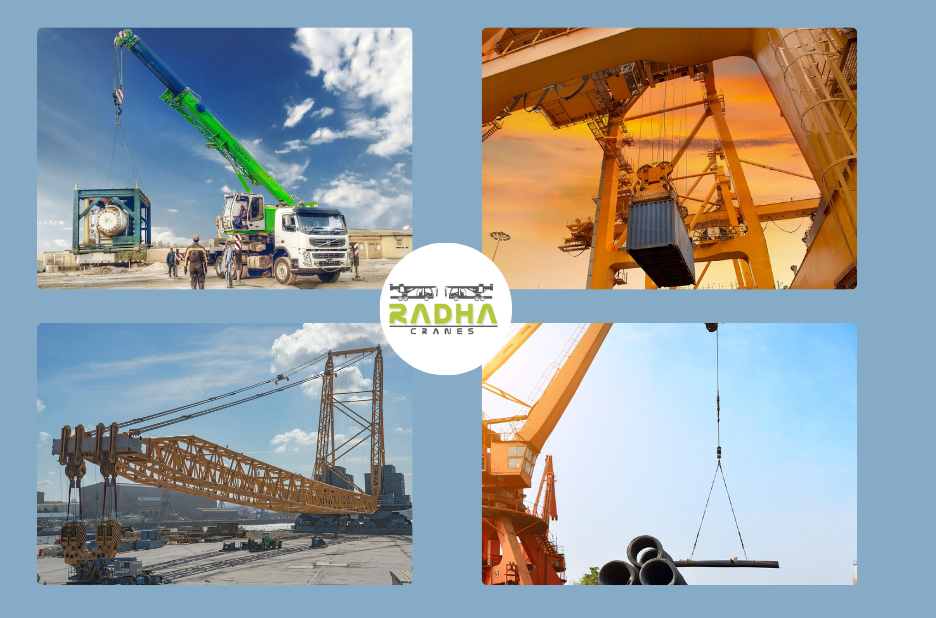
When planning a project, selecting the appropriate lifting solution is essential for safety, efficiency, and cost management. The range of crane types available means choosing between tower, mobile, or crawler models based on job site constraints, weight limits, and reach requirements. Evaluate ground conditions, load charts, and assembly crane hire times to avoid delays. Consider rental terms, maintenance responsibilities, and what backup options exist if a component fails. The goal is to align the crane’s capabilities with the specific tasks, ensuring stable operation and predictable progress throughout the project timeline.
Assessing site access and setup
Site accessibility often dictates equipment selection and setup speed. Narrow access routes, overhead obstructions, and nearby structures can limit maneuverability and require modular or compact cranes. Plan for safe approach routes, staging areas for outriggers, and a clear path for load cycles. A thorough site assessment helps prevent last minute changes that could disrupt schedules and increase costs. Establish communication protocols and dedicated signalers to maintain steady coordination during lifts.
Planning lifts and safety protocols
Every lift should be broken down into manageable steps with a clear chain of command. Create lift plans that consider weight distribution, wind conditions, and rigging requirements. Verify that operators are qualified and that inspections are current for all rigging gear. Regular toolbox talks and checklists reinforce safe practices and help identify potential risks early. Proactive planning reduces the likelihood of incidents and encourages consistent performance on demanding sites.
Financing and terms of rental
Financial considerations influence project budgeting and resource allocation. Compare daily and weekly rates, plus any travel fees or overtime charges that may apply. Understand responsibilities for maintenance, fuel, and any required inspections during the rental period. Read the contract carefully for cancellation policies, replacement options, and rental extensions. A transparent agreement supports smoother procurement and clearer accountability for downtime if equipment needs service.
Conclusion
In practice, aligning equipment choice with site realities and schedule constraints is the cornerstone of successful lifting operations. A thoughtful approach to selection, access planning, and safety creates predictable progress and helps keep budgets in check. For teams seeking steady, reliable support through the lift process, the right rental partner can make a meaningful difference, especially when coordinated with careful site and risk management strategies. RADHA CRANES