

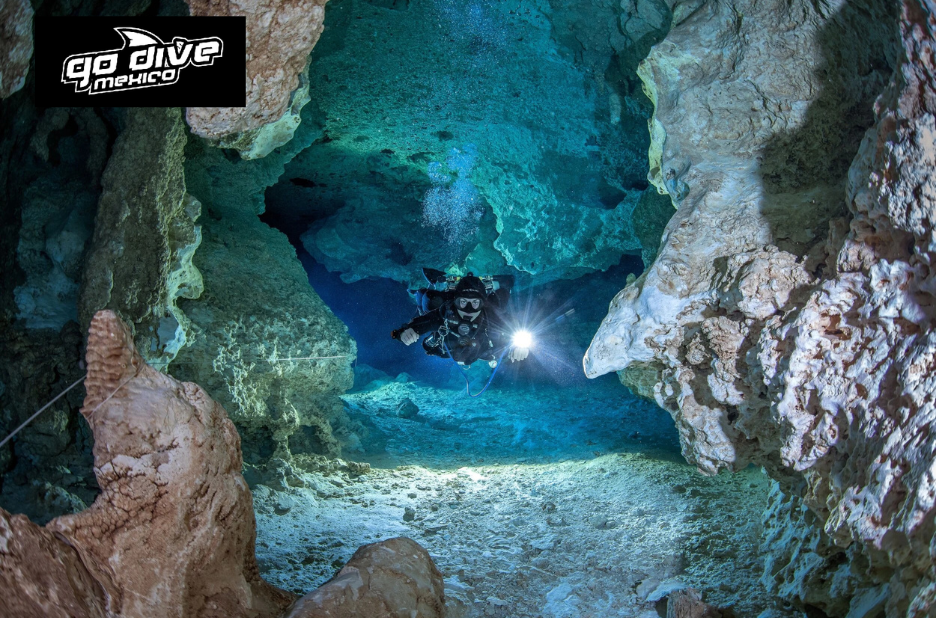
What makes cavern diving special
For divers seeking a unique underwater experience, cavern diving offers access to illuminated passages where natural light still reaches the cave system. The discipline emphasizes conservative guidelines, careful planning, and strict boundaries to protect both divers and delicate formations. Beginners should start with a reputable instructor and a certified cave diver cavern diving program that covers gas management, line etiquette, and bailout procedures. As you gain confidence, you’ll learn to read overhead environments and recognize signs that indicate reentry points. This approach helps keep risk at a manageable level while exploring stunning stalactites and flowstone features.
Training prerequisites and gear essentials
Successful cavern diving requires a structured training path designed to build foundational skills before extending to more complex environments. Expect coursework on navigation techniques, gas planning, and conservation ethics. Equipment choices should focus on redundancy and simplicity within overhead limits: a primary light, a backup light, a reel with a guideline, and conservative gas mixes. Regular equipment checks, buoyancy control, and maintaining discipline around penetration lines are critical to staying safe while appreciating reduced visibility and delicate cave textures.
Planning your first cavern dive trip
Trip planning starts with selecting appropriate sites known for beginner accessibility and clear overhead boundaries. Check local regulations, seasonal conditions, and the presence of trained guides who can lead deeper into the system if your skill level permits. Create a straightforward dive plan that includes maximum depth, bottom time, gas reserves, and a clear exit strategy. A calm, methodical approach reduces surprises and keeps the focus on enjoying the geometry of the cave without compromising safety.
Best practices for staying within limits
Maintaining limits is essential to maintain control in overhead environments. Always avoid reckless quick descents or extended penetrations without the right tools and team support. Use a reliable guideline, stay within the mapped distance from the entrance, and communicate clearly with your buddy. Regularly reassess gas, depth, and time, and be prepared to terminate the dive if any risk indicators appear. Conservatism in cavern diving saves lives and preserves fragile underwater ecosystems.
Conclusion
Cavern diving opens a quiet, technically engaging realm beneath the surface, where careful planning and practiced skills unlock intimate cave passages. It rewards discipline, patience, and ongoing education, rather than speed or bravado. When you’re ready to extend your adventures, seek guidance from experienced mentors, and anchor your exploration in respect for the environment and for fellow divers. Go Dive Mexico