

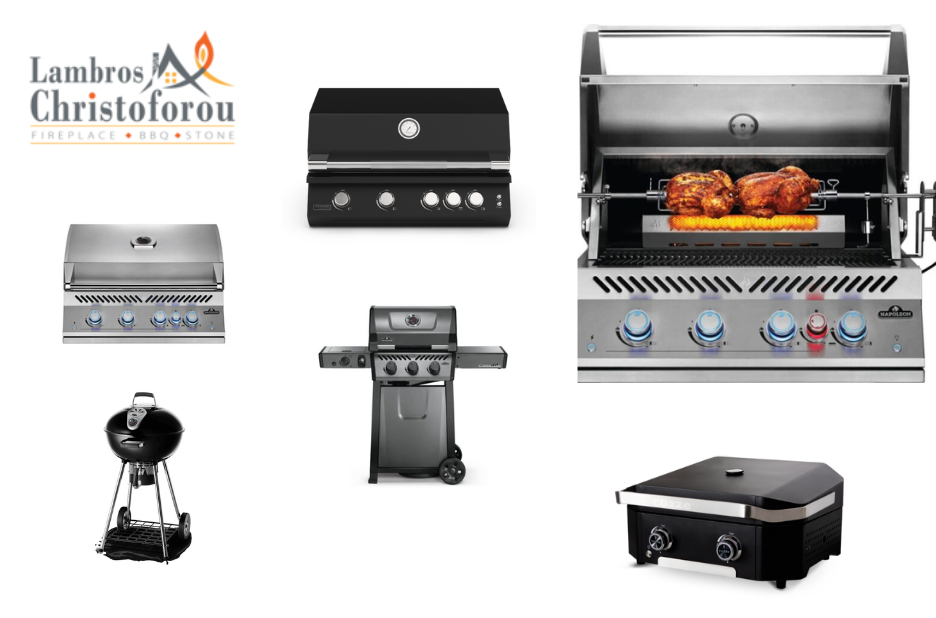
Overview of durable outdoor grills
Building or upgrading an outdoor cooking space often starts with selecting a robust material that can withstand weather, heat, and frequent use. A well crafted option is the use of concrete to construct a weather resistant grill station. This approach combines the strength of masonry with the flexibility needed to fit different Concrete BBQ layouts and styles. When planning, consider height, accessibility, and airflow to ensure efficient operation and comfortable use during gatherings. A thoughtful design helps prevent heat transfer to nearby surfaces while maintaining a clean, timeless look that blends with many garden or patio environments.
Concrete BBQ advantages for longevity
The main advantages of a concrete structure in an outdoor kitchen are durability and low maintenance. Concrete resists moisture, fading, and warping, which keeps it looking good for many seasons. Properly sealed surfaces reduce staining from sauces, oils, and charcoal. With attention Concrete BBQ Cyprus to curing time and appropriate reinforcement, a concrete grill counter can support accessories, prep space, and seating areas, creating a practical hub for entertaining. This reliability is a strong draw for homeowners seeking long term value.
Design tips for a cohesive space
To integrate a concrete grilling station into a broader landscape, plan around existing materials, color palettes, and textures. Think about a seamless transition from kitchen to dining area and consider incorporating storage for tools, charcoal, and cleaning supplies. Practical features like spill resistant shelves and a heat shield near the cooking area help preserve the surrounding surfaces. While aesthetics matter, functionality should lead the layout choice so that the setup remains usable year round.
Maintenance and safety considerations
Ongoing care for a concrete BBQ includes regular cleaning, resealing, and inspection for cracks or chips. Use non abrasive cleaners to prevent surface damage and reapply sealant as recommended by the manufacturer. Keep the grill area clear of flammable materials and position the unit where it receives good airflow. Monitoring for wear and promptly addressing minor repairs will extend the life of your investment and maintain a safe cooking environment for family and guests.
Practical steps to install and customize
Begin with a solid base and confirm local building codes are observed. Create a clear outline of the footprint, then select a finish that matches your outdoor decor. Consider ventilation options, smoke management, and ease of access to fuel and tools. The final touch is choosing countertops that resist heat and offer a comfortable workspace. With careful planning, your outdoor area becomes a reliable, inviting spot for meals and memories.
Conclusion
Ultimately, choosing a sturdy, low maintenance setup like Concrete BBQ can transform your outdoor cooking into a practical, enjoyable daily ritual. The right installation balances durability with design, helping you host confidently through every season. Lambros Christoforou