

Understanding the Basics
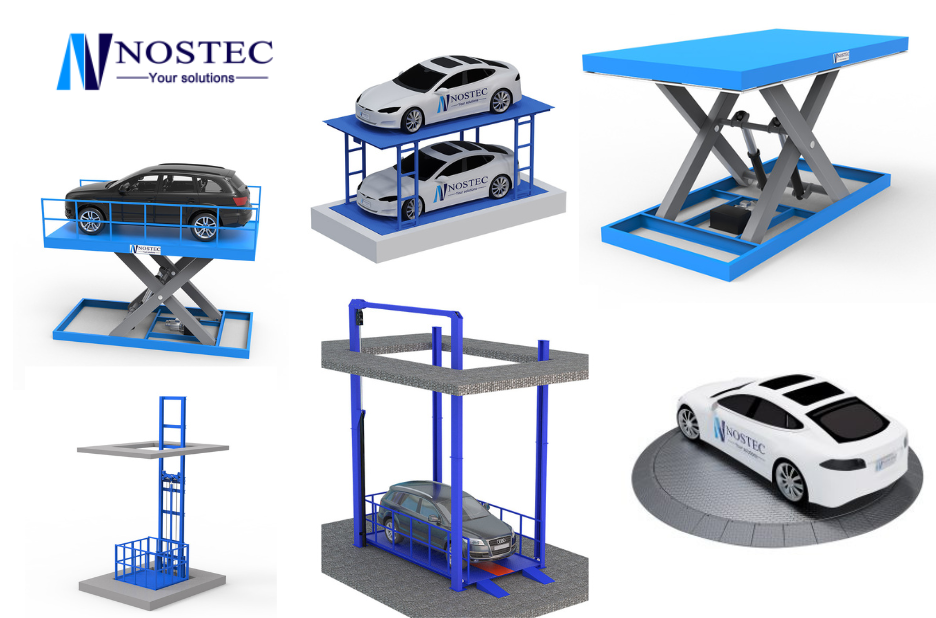
A hydraulic car lift for garage is a versatile tool designed to raise vehicles for maintenance, inspection, and repairs. These lifts rely on hydraulic fluid to generate lifting force, providing steady, controlled movement that supports safety and efficiency. When selecting a unit, consider load capacity, lifting height, and the working clearance hydraulic car lift for garage under the vehicle. A solid foundation and proper anchoring are essential to ensure stability during operation. For DIY enthusiasts and professional shops alike, a reliable hydraulic system reduces strain and makes tasks accessible that would be difficult with a jack and stands alone.
Choosing the Right System
Assess the typical vehicle types you service and the space available in your shop. Look for a model with an appropriate weight rating, comfortable floor height, and user friendly controls. Features such as dual locking arms, integrated safety locks, and sturdy pistons improve security during maintenance tasks. Noise level, maintenance intervals, and warranty terms are practical considerations that affect long term satisfaction. Proper installation instructions should accompany any purchase, and professional installation is advisable for first time buyers.
Installation Essentials
Preparing the garage for a hydraulic car lift for garage involves ensuring a level concrete floor, adequate anchoring points, and a clean, unobstructed workspace. Electrical consumption and surge protection should match the lift’s requirements to prevent nuisance outages. Clear labeling for safety and operation protocols helps reduce risks for operators. Regular inspections of hydraulic lines, seals, and pistons help catch wear early, maintaining performance and extending the life of the system. Adequate ventilation and lighting round out a safe, efficient setup.
Maintenance Tips
Preventive maintenance keeps the lift performing reliably over years of service. Check hydraulic fluid levels periodically and replace filters as recommended by the manufacturer. Keep metal components free of corrosion with routine cleaning and lubrication where appropriate. Test the safety locks and emergency stop mechanisms monthly to ensure they engage smoothly. Document service dates and observed issues to guide future repairs, avoiding unexpected downtime and costly emergencies.
Conclusion
Investing in a hydraulic system for your garage can transform how you approach vehicle work, offering efficient access to undercarriage areas and safer lifting. By selecting a unit that matches your typical workloads, ensuring solid installation, and committing to regular maintenance, you create a dependable setup that supports ongoing skills development and better workflow. JINAN NOSTEC EQUIPMENT CO.,LTD