

Safe Preparation Steps
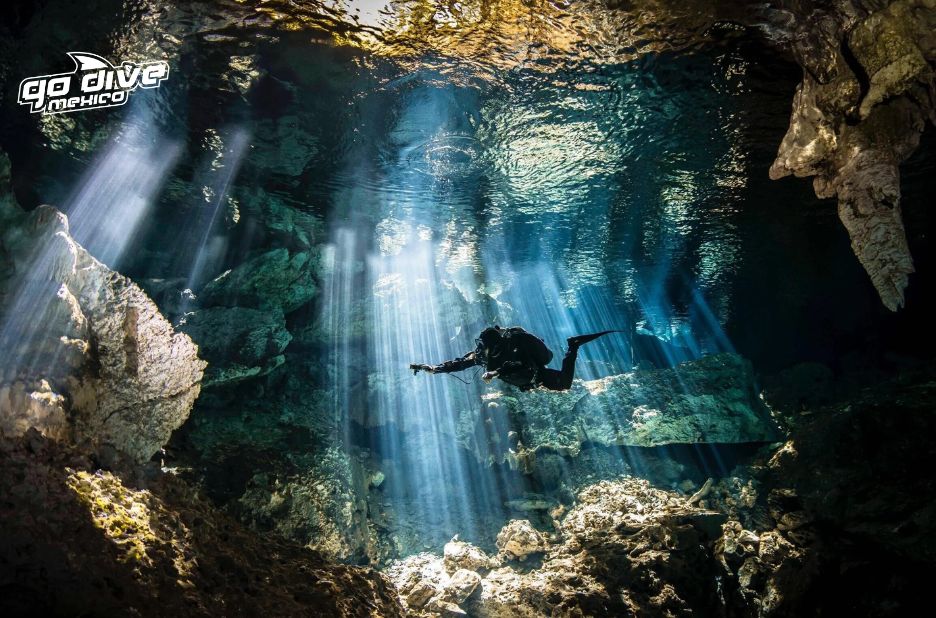
Before stepping into any underwater cave, divers should complete specialized training and work with an experienced guide. Proper planning includes checking gear, ensuring redundant air supplies, and reviewing emergency procedures. A clear ascent and descent plan helps manage gas management and narcosis risk. Training emphasizes propulsion methods, cavern diving line awareness, and strict buoyancy control to minimize silt. Equipment should be inspected for seals, regulators, assist lines, and backup lights. This phase centers on minimizing risk while building confidence for more complex environments like underwater arches and narrow passages.
Choosing Your First Location
Beginners in cavern diving should start at well-mapped, above-water accessible sites with predictable conditions. Favor calm water, clear vis, and a straightforward run from the entrance to a safe exit. Local dive shops can offer guided trips to reputable sites and provide a checklist tailored to the area. It’s important to respect protected ecosystems and follow any permits or timing restrictions. Stick to the guidelines that the local community uses for safe, responsible exploration of aquatic caverns.
Gear and Tech Essentials
Essential gear includes a primary light, a back-up light, a reel and guideline, and a redundant air source as required by the training standards. A well-fitted wetsuit or drysuit, gloves, and sturdy fins contribute to comfort and control. A computer or depth gauge helps track depth and time, while a compass aids navigation. Redundancy is not optional in cavern environments, where visibility can drop suddenly. Carry spare batteries, maintenance tools, and a gas management plan for emergencies and long explorations.
Environment and Conservation
Responsible cavern diving means limiting impact on delicate cave features and respecting wildlife. Avoid touching formations, kicking up sediment, or disturbing any fauna. Stay within established limits and follow the guidance of local rangers or cave authorities. Mindful diving also includes preserving line systems for future divers and reporting any changes in cave structure or visibility. A thoughtful approach helps protect these fragile underwater ecosystems for generations of explorers.
Conclusion
As you gain experience, continue training, deepen your understanding of gas management, and connect with the cavern diving community to share lessons and routes. Visit godivemexico.com for more information on regional cave adventures and safety resources, and to learn about guided trips in Mexico’s underwater networks. This ongoing education keeps skills sharp and curiosity satisfied while prioritizing safety and respect for the underwater world.