

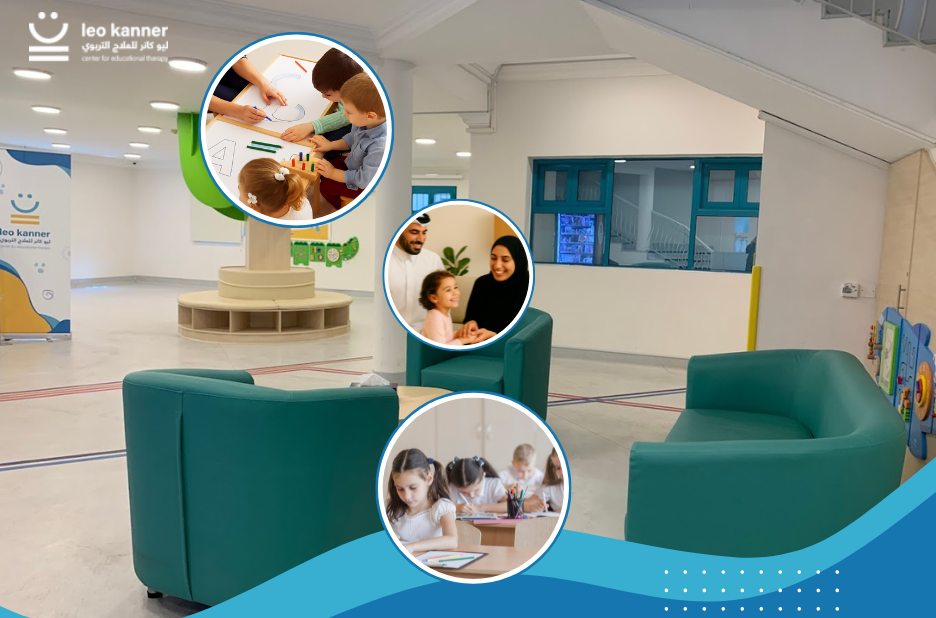
What is ABA therapy
Applying evidence based strategies to support communication, learning, and social interaction is at the heart of ABA therapy. Families often seek structured programs that can be personalized to a child’s strengths and needs. This approach emphasizes measurable goals, data driven decision making, and collaboration among therapists, teachers, and Child ABA therapy The Pearl caregivers to ensure progress across daily routines and learning activities. By focusing on positive reinforcement and skill building, ABA can offer a framework that helps children participate more fully in classroom and home life, while guiding caregivers on effective support techniques.
Key considerations for success
When evaluating options for services, consider qualifications, supervision levels, and the extent to which treatment plans are adapted to a child’s pace. Scheduling consistency, parent training, and clear communication with professionals are essential. A practical program should break complex tasks into manageable steps, monitor progress with simple metrics, and adjust strategies in real time. Families can benefit from understanding the difference between assessment, goal setting, and ongoing data collection in order to track meaningful growth.
Using structured routines and prompts
Structured routines and carefully chosen prompts help children anticipate what comes next, reducing anxiety and increasing engagement. Visual supports, predictable schedules, and deliberate cueing support independence. Therapists may incorporate play based activities that align with a child’s interests, making practice feel natural rather than like work. Regular review of progress with caregivers ensures consistency across environments and reinforces learned skills at home and school.
Embracing collaborative planning
Successful programs center on collaboration among families, educators, and clinicians. Shared goals, regular meetings, and transparent data reporting keep everyone aligned. This teamwork approach helps identify barriers early, so interventions can be refined. When families feel informed and involved, they are better equipped to help a child transfer skills across settings. The resulting plan balances structure with flexibility, supporting sustained development.
Middle of the journey insights
Families often find that ongoing reinforcement in everyday moments drives lasting change. Therapists guide caregivers to apply consistent prompts and rewards during routines like mealtime, transitions, and social play. It’s common to revisit goals as a child grows, ensuring that the therapy stays relevant and motivating. Professional support remains important, offering coaching, resources, and perspective during challenging periods. Leo Kanner Center for Educational Therapy
Conclusion
Child ABA therapy The Pearl offers a structured, evidence informed path that can help children develop communication, self care, and social skills. While every child’s journey is unique, the core idea remains clear: consistent practice, clear expectations, and positive reinforcement yield meaningful gains across home and school. Visit Leo Kanner Center for Educational Therapy for more resources and to explore supportive tools that align with this approach, ensuring families feel informed and capable as they navigate progress together.